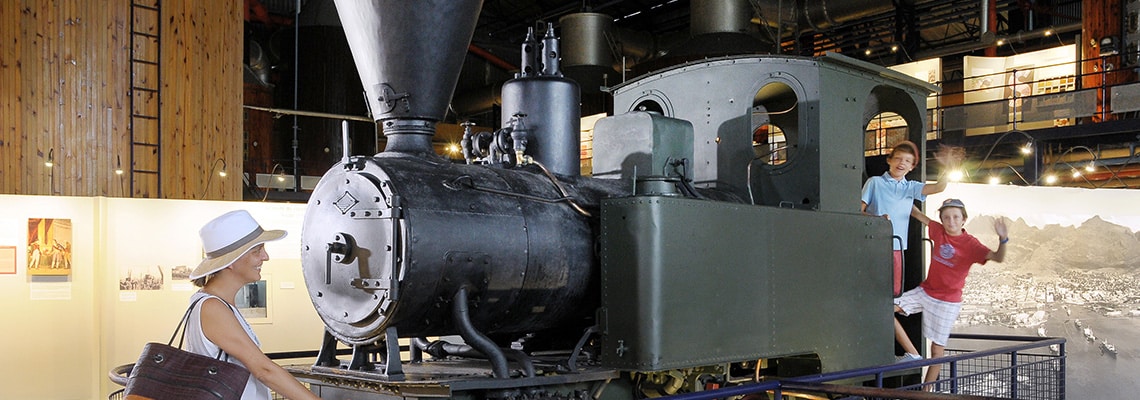
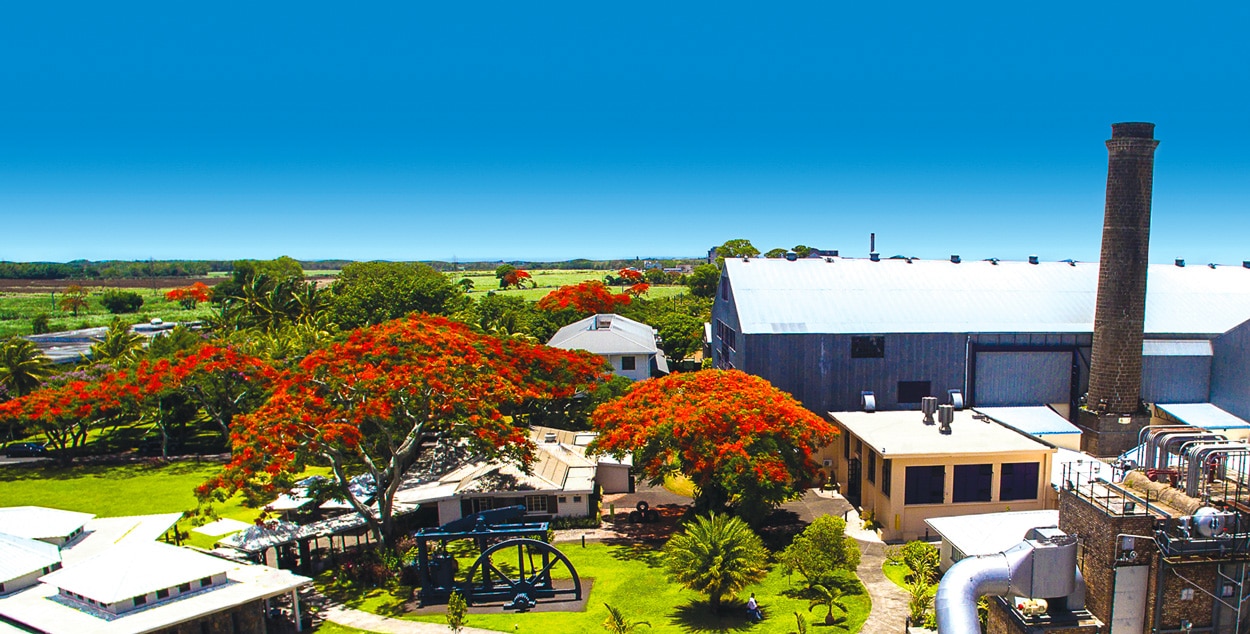
L’Aventure du Sucre stands in the heart of Beau Plan, an area famous for its rich historical and natural heritage, in the north of the island. Its neighbours include the Pamplemousses Botanical Garden and the industrial remains of Beau Plan.
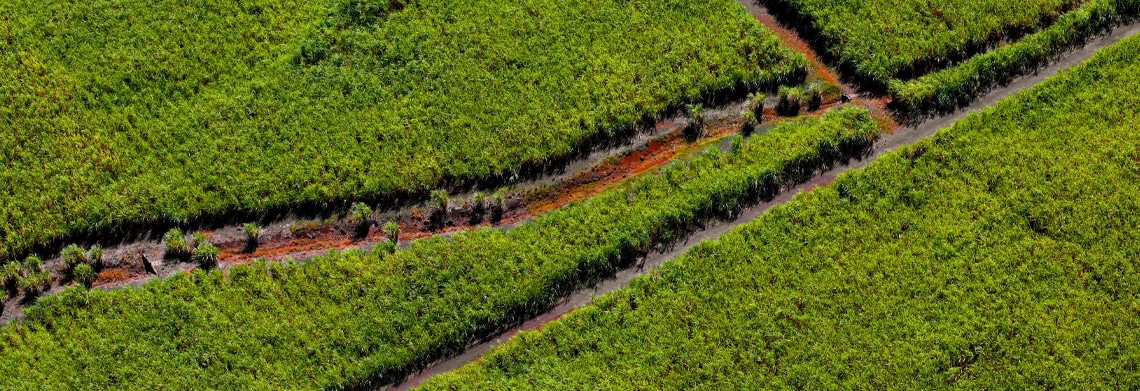
The sugar cane industry is steeped in history. A central pillar of the Mauritian economy for two centuries, this industry is now synonymous with innovation. Producing sugar, rum, bio-fertilisers, green energy, and animal feed, it sits at the heart of a circular economy model, and plays a key role in the environment, agriculture, and other industries.
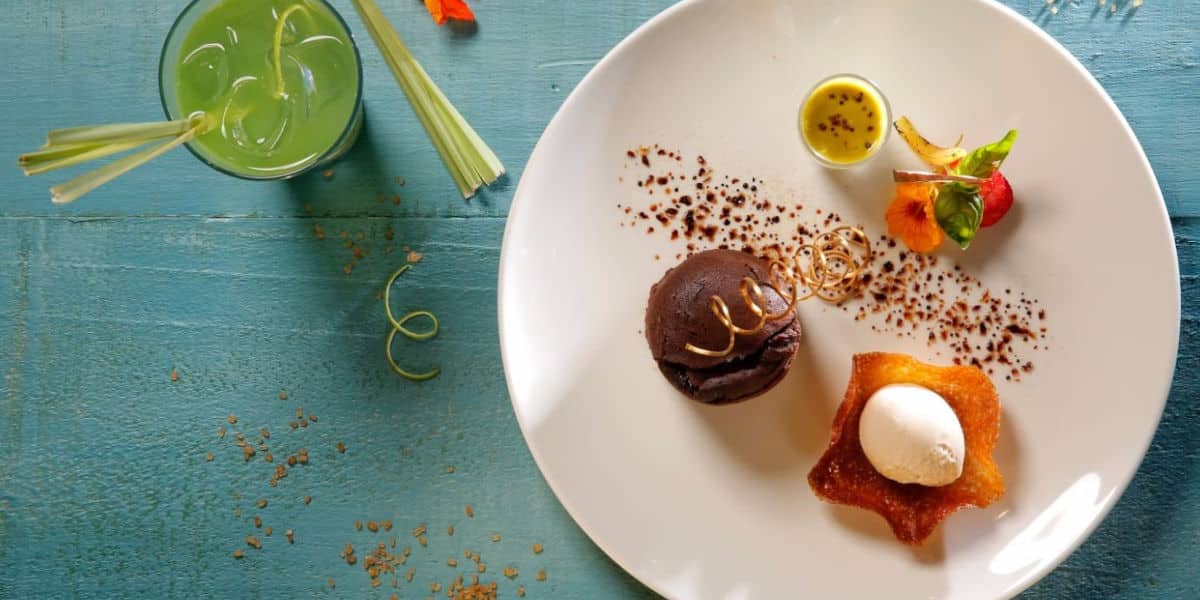
L'Aventure du Sucre is proud to announce that its restaurant, Le Fangourin, is celebrating its 22nd anniversary by once again winning the prestigious TripAdvisor 2023 Award.
Our news> OurNews (march 2023-march 2024) The challenges of climate change are real and concern us all. While states and businesses are key players in driving the profound transformations necessary,...
L’Aventure du Sucre has recently been awarded the prestigious Tripadvisor Travellers’ Choice 2022, the highest distinction conferred by the largest travel and tourist site review ‘Tripadvisor’.
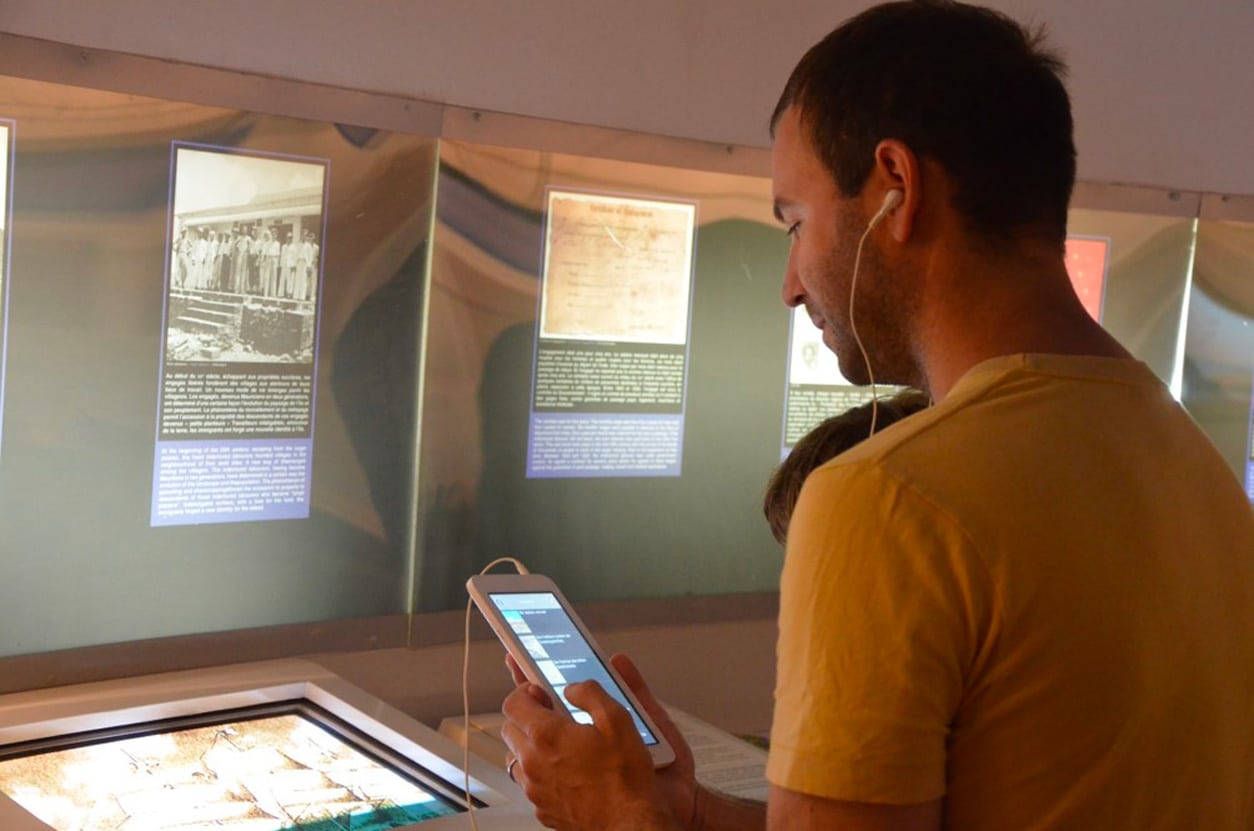
L’Aventure du Sucre has made available, for its French, English, Russian, Chinese, Spanish, Italian and German visitors, a free audio guide in the form of a smart app.
We use cookies to ensure that we give you the best experience on our website.
If you continue to use this site we will assume that you are happy with it.